How To Stop A Toddler From Hitting.
Are you struggling with how to stop your toddler from hitting?
I’ll walk you through understanding why your child hits, practical coaching methods and how to boost their confidence.
Let’s turn those tricky moments into wins for both you and your toddler!

Navigating the wild world of toddlers can sometimes feel like an emotional rollercoaster.
One minute, your little one is giving you the sweetest cuddle, and the next, they’re hitting you.
If you’re feeling frustrated, worried, or even a bit at your wit’s end, you’re definitely not alone.
But take a deep breath—we’ve got this.
How to stop your child from hitting.
It all starts with understanding why they hit.
Understanding why toddlers hit and knowing how to guide them away from this behaviour can make a world of difference.
Together, let’s dive into some practical tips and tricks to turn this behaviour around.
How to discipline a toddler who hits
Most of us hear “discipline” and think about what happens after our kids act out—the time-outs, the stern talks, the consequences.
But discipline is actually all about teaching.
Yep, it’s about guiding our little ones on how to behave and helping them make sense of their big feelings and meet their needs in healthy ways.
Think of it this way: discipline isn’t just about laying down the law when things go wrong. Discipline is being a coach. You’re there to teach, support, and guide.
How to stop toddler hitting
So, how do we steer our toddlers away from hitting and towards more positive behaviour? It all about coaching them through these tricky moments.
To effectively coach your toddler away from hitting, the first step is understanding why they’re doing it.
Is it normal for a toddler to hit?
Often, toddlers hit because they’re struggling to express big emotions or unmet needs. Think of hitting as their way of trying to meet their needs or manage their behaviour, but just not quite getting it right.
Your mission is to coach them towards better, more effective ways to handle their feelings and actions.
Just like you teach them to ride a bike or tie their shoes, you help them practice and practice.
Kids need repeated opportunities to see themselves as successful.
Just like teaching them to ride a bike, you don’t just tell them what not to do; you help them practice and gain confidence in their abilities.
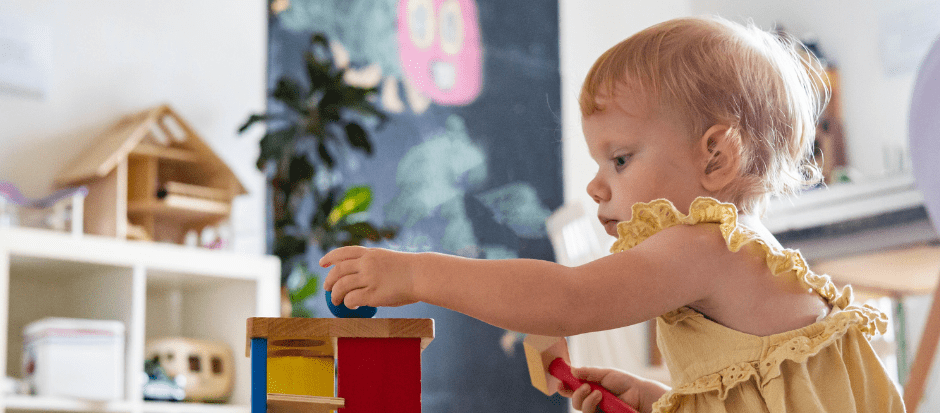
I’ve had the pleasure of working with hundreds of families, and it always brings me happy tears to see the transformation in toddlers who’ve learned to manage their emotions and communicate in healthy ways.
There’s nothing quite like hearing parents share how their child has gone from hitting, kicking, and biting to calmly managing their feelings and taking pride in their new skills.
Those moments, when a toddler learns to calm themselves down and feel genuinely proud of themselves are incredibly moving.
You realise you’re coaching your child with skills they’ll use for a lifetime!
|
Example, let’s use the Language of Listening® tools to stop a toddler from hitting Say What You See (SWYS): “You’re so upset. You want to get your mad out.” CAN DOs: “I’m not for hitting. You can stamp your feet like a dinosaur.” STRENGTH: Once your child has calmed down, you can say, “You know how to get your frustration out! You calmed down!” The STRENGTH tool is so important because kids act according to who they believe they are. When you point out their strengths, you’re helping them build a positive self-image. By saying, “You know how to get your frustration out! You calmed down!” you’re reinforcing their ability to manage emotions effectively. They start to see themselves as capable of handling big feelings in a positive way, making it more likely they’ll choose those positive actions in the future. |
How to deal with toddler biting and hitting
By consistently using these tools—Say What You See, Strengths, and Can DO’s—you can help your toddler navigate their emotions and interactions with more confidence and kindness.
At your wit’s end with your child’s behaviour and looking for something that really works? Want a simple, actionable plan that can start making a difference in just a few minutes a day?
The Language of Listening Collection, £15
Get immediate access to 3 eBooks with practical tools and step by step guidance to better behaviour and more joy at home
Page by page you’ll find easy and practical solutions to real life dilemmas faced by parents, just like you.
No punishments, bribes, or rewards needed—just happy kids and even happier parents!

Feeling overwhelmed with parenting challenges? Get online parenting support now.

I offer 1-2-1 coaching support to a more enjoyable, joyful family life.
You don’t have to go it alone! I’m here to help.
As a qualified, authorised child behaviour specialist and parenting coach, I provide personalised support and practical solutions to turn your parenting challenges into a calm, happy, peaceful home.
Parent coaching is like having a trusty guide on your parenting journey Let’s chat. You can schedule a complimentary, no-obligation call. You can do that by clicking right here.
What other parents are saying after working with me:
“Camilla was the answer to our prayers. I am endlessly grateful to her and only wish I’d found her sooner.” Louisa, Mum of 2
“Camilla coached us through different methods. Methods which I had never thought about, but gave us incredible results in a very short space of time, methods which we still use now and are so easy to implement on a daily basis. I am no longer the shouty mum I used to be. And my relationship with my kids has changed so much, I often wonder why I hadn’t started this journey sooner.’ Lucy, Mum of 3
“I was stuck in a pretty unpleasant vicious circle, with three awesome small children and was ruining it. I was afraid they would grow up and not trust me. Within the first couple of weeks working with Camilla I saw positive changes.” Claire, Mum of 3
Ready to take the first step toward the family life you’ve been dreaming of?