Struggling with a child who refuses to say sorry? You’re not alone. Teaching our kids to apologise is important — but understanding why your child refuses to say sorry is the real key to turning things around.
Here’s how to do just that.

7 year old refuses to say sorry
I remember the moment it hit me: my 7-year-old daughter had never said sorry.
No matter how many times I coaxed her, explained, or even got stern about it — she just wouldn’t say the words. I was so frustrated and completely confused.
I figured she was just being defiant or even a bit rude. How hard could it be to say a simple “sorry,” right? It drove me nuts trying to understand why she refused.
But once I finally discovered the reason behind her resistance, everything changed.
If this sounds familiar, you’re not alone. Many parents I work with come to me with the same concern — and the good news is, once you understand why your child refuses to say sorry, things can change quickly.
After years of training to become a Language of Listening® coach, I’ve supported hundreds of families facing similar challenges. Within just a few weeks of using the tools they learn, their children go from refusing to apologise to saying it — and meaning it.
Here’s how that transformation happens.

Understanding Why Your Child Refuses to Say Sorry
The first step to helping your child apologise sincerely is understanding why they resist it in the first place. Once you grasp this, the shift can be surprisingly fast.
The main reason kids refuse to say sorry
There are several reasons kids avoid apologising, but after years of working with families, I’ve found one powerful reason that stands out: shame.
I’m not talking about a one-time reluctance to say sorry — I mean a persistent non-apologiser. A child who never says sorry, no matter how much you encourage them.
While it’s normal for anyone (even adults!) to avoid apologising when we don’t believe we’re wrong, a child who consistently refuses usually does so for deeper emotional reasons.
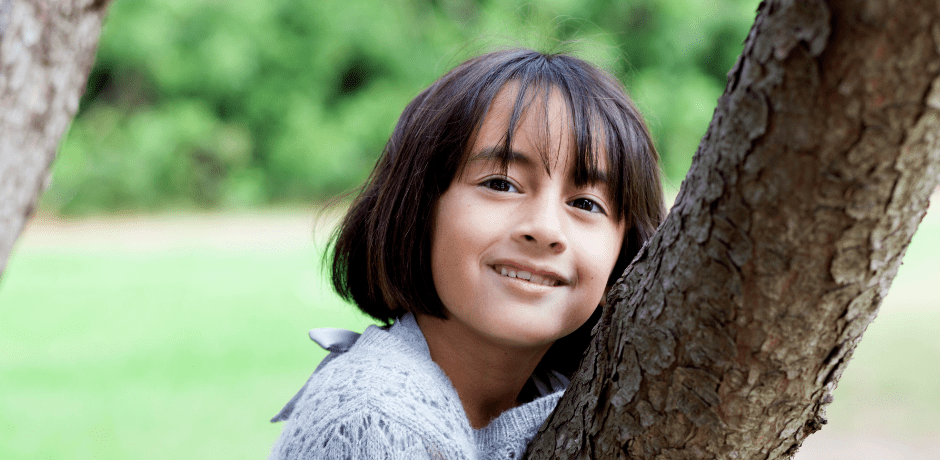
It’s this that stops your child saying sorry
Humans, including children, have a hard time taking responsibility for their actions when they feel shame. Shame is a powerful emotion that makes us think, “I am wrong. I am bad.”
This is different from guilt, which is the feeling that “I did something wrong.”
When a child makes a mistake or acts in a way they regret, and feels guilt, it’s much easier for them to apologise because they don’t see the mistake as a reflection of their entire self-worth.
However, a child who feels shame believes that their mistakes are proof of their inherent badness.
This makes it incredibly difficult for them to say sorry because doing so would mean acknowledging something they already feel deeply insecure about.

Shame vs. Guilt — and Why It Matters
Humans, including children, have a hard time taking responsibility when they feel shame.
-
Shame says, “I am bad.”
-
Guilt says, “I did something bad.”
When a child feels guilt, they can recognise a mistake without seeing it as a reflection of their self-worth — and apologising feels safe.
But when a child feels shame, saying sorry would mean confirming their worst fear: that they are bad. This makes it incredibly hard for them to take responsibility or show remorse, because doing so feels like an attack on who they are.
What to Do When Your Child Refuses to Say Sorry
1. Break the Cycle of Shame
Most parents don’t realise it, but common discipline tactics can unintentionally reinforce a child’s shame. When we’re frustrated, it’s easy to say things like:
-
“How could you do that?”
-
“What’s wrong with you?”
-
“Why can’t you be more like your sibling?”
These statements might seem small, but they can deeply affect a child’s sense of self. Instead of motivating them to do better, they confirm the fear that they are bad — and the shame cycle continues.
When this happens, your child avoids saying sorry to protect themselves from feeling that shame again.
2. The Whole-Home Reset
One of the first things I do with families I coach is what I call a whole-home reset.
We look at how language is being used in the household — not to assign blame, but to understand how words may unintentionally trigger shame or defensiveness.
Then we shift the focus toward understanding the intention behind your child’s behavior. When kids feel understood, they’re far more willing to take responsibility for their actions.
Bringing Out the Best in Your Child with the Language of Listening® Coaching Model
Traditional parenting often focuses on correcting what’s wrong — getting kids to say “sorry,” behave better, or listen more.
The Language of Listening® model takes a completely different approach. Instead of trying to fix behavior, we help kids succeed by noticing what’s already working and building on that.
This approach gives parents a much-needed break and helps kids thrive, because children learn best through success, not struggle.
When you focus on what your child does right — even in challenging moments — you show them who they truly are: capable, kind, and resourceful.
In those tough moments, instead of rushing to correct, we start by validating what’s right about what the child is expressing — their feelings, needs, or attempts to communicate. Then, within your boundaries, you hand problem-solving back to them.
This brings out their natural strengths and teaches genuine responsibility and empathy, not just obedience.
The real power of Language of Listening lies in helping kids see themselves differently. When children believe they are good and capable, they begin to manage their own behavior — naturally and confidently.
That’s why this approach feels more like coaching than discipline. It’s grounded in connection, proof, and belief — and it works for every age, from toddlers to teens (and even adults).
It’s a process that helps create space for your child to feel remorse and willingly say sorry.
If you’ve ever wondered what to say in those moments when your child refuses to apologise, my free guide can help.

Heartfelt Apologies
Once shame is reduced and understanding takes root, everything changes.
Children begin to separate their actions from their identity — and suddenly, “I’m sorry” becomes something they want to say, not something they’re forced to.
They apologise with genuine remorse, empathy, and understanding. And you’ll see your relationship shift from conflict to connection.
That’s what happened with my daughter — and it’s what I’ve witnessed in family after family who’ve embraced Language of Listening®.
It’s not just about teaching kids to say “sorry.”
It’s about creating a home where empathy, understanding, and authentic communication can flourish.
Language of Listening® transformed my daughter’s behaviour and our relationship — and it can do the same for you.
Start making a change today…

I offer 1-2-1 coaching support to a more enjoyable, joyful family life.
You don’t have to go it alone! I’m here to help.
As a qualified, authorised child behaviour specialist and parenting coach, I provide personalised support and practical solutions to turn your parenting challenges into a calm, happy, peaceful home.
Parent coaching is like having a trusty guide on your parenting journey Let’s chat. You can schedule a complimentary, no-obligation call. You can do that by clicking right here.
What other parents are saying after working with me:
“Camilla was the answer to our prayers. I am endlessly grateful to her and only wish I’d found her sooner.” Louisa, Mum of 2
“Camilla coached us through different methods. Methods which I had never thought about, but gave us incredible results in a very short space of time, methods which we still use now and are so easy to implement on a daily basis. I am no longer the shouty mum I used to be. And my relationship with my kids has changed so much, I often wonder why I hadn’t started this journey sooner.’ Lucy, Mum of 3
“I was stuck in a pretty unpleasant vicious circle, with three awesome small children and was ruining it. I was afraid they would grow up and not trust me. Within the first couple of weeks working with Camilla I saw positive changes.” Claire, Mum of 3
Ready to take the first step toward the family life you’ve been dreaming of?