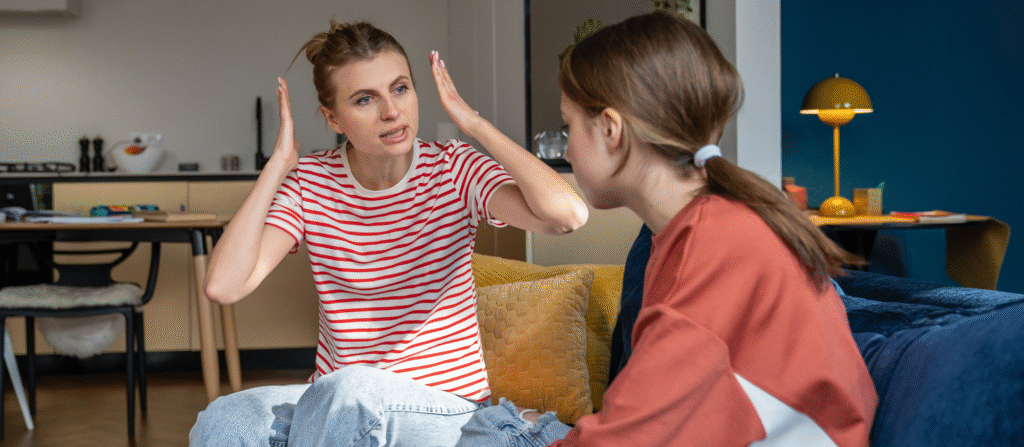
How to discipline a child without yelling or hitting is about learning parenting strategies that actually work — helping you guide your child’s behaviour without fear, shame, or guilt.
It was 10.30 am on a Tuesday when Emma, a tired mum of two, called me almost in tears.
She wasn’t upset with her child. She was upset with herself.
“I shouted so loud, even I scared myself,” she admitted. “I don’t want to be that mum… but nothing else works.”
Sound familiar?
If you’ve ever thought “I don’t want to yell, but I don’t know what else to do,” you’re not alone.
You’re not a bad parent. You’re not failing. And most importantly — shouting or hitting isn’t the only way to discipline your child.
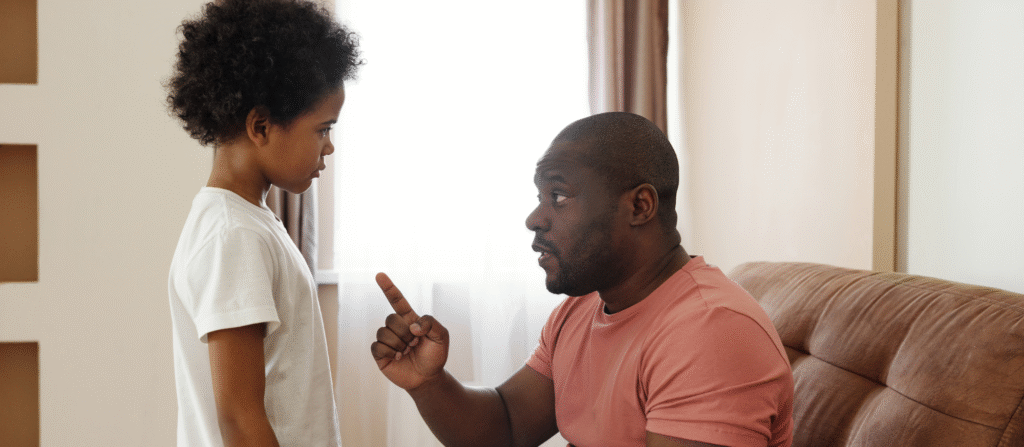
Why Yelling and Hitting Don’t Work: The Hidden Cost of Harsh Discipline
When our kids don’t listen, we often label it as naughty, defiant, or disrespectful.
We get triggered. Overwhelmed. Exhausted.
So we shout. Or threaten. Or snap.
Not because we’re bad parents — but because in the moment, it feels like the only option left. We tell ourselves, “Maybe if I get louder, they’ll finally listen.”
But here’s the thing:
Yelling or hitting doesn’t actually work. In fact, the more we shout, the less our children listen. What starts as an attempt to get their attention often backfires — the message gets lost in the noise.
And often, it leaves us feeling guilty afterwards, wishing we’d handled it differently.
That doesn’t mean you’ve failed. It means you’re human. Parenting is relentless, and most of us were never taught another way.
The good news?
There is another way. When we shift from reacting in the heat of the moment to calmly coaching and problem-solving, everything changes.
We feel more in control, our kids feel safer, and the daily battles stop for good.
Effective Parenting Starts With Understanding Behaviour
Not listening. Hitting. Tantrums. Backchat.
These are surface behaviours — not the real issue.
The real question is:
-
What’s underneath this?
-
What’s my child trying to express, but can’t put into words yet?
A child who’s “acting out” might be:
-
Struggling with a transition
-
Feeling disconnected
-
Craving control or attention
-
Reacting to stress at school, home, or even from our energy
When we only focus on the behaviour, we miss the message. But when we respond to the need behind the behaviour, everything shifts.

See the World Through Their Eyes
Once you’ve looked at the why behind the behaviour, the next step is to shift perspective.
Before reacting, pause and ask yourself:
-
“What might this look like from their point of view?”
That small reframe changes everything:
-
Rudeness may actually be them practising assertiveness.
-
Stubbornness may be determination in disguise.
-
Backchat may be early steps in learning to express opinions.
When we see behaviour through their eyes, we don’t jump straight to “naughty” or “disrespectful.” Instead, we stay curious, guide with calm authority, and nurture traits that will serve them well in the long run.
Look at Your Role in the Dynamic
This one can sting — but it’s powerful.
Ask yourself: “What’s my part in this cycle?”
Not in a guilt-trip way, but in honest reflection:
-
Are we inconsistent with boundaries?
-
Do we expect too much when they’re tired or hungry?
-
Are we modelling calm, or shouting first?
Parent-child behaviour is relational. What we put in, we often get back. If we’re short-tempered, they resist. If we’re calm and clear, they meet us there.
Recognising the patterns lets you change them. That’s not about control — it’s about leadership.

Solve Behaviour Problems at the Root
One mum I coached dreaded school mornings. Every day was a battle: shouting up the stairs, nagging about lateness, snapping at the chaos.
She thought the problem was her kids’ behaviour.
But the real issue was the routine. Mornings were rushed, everyone was stressed, and the kids were reacting to the environment.
Once we built in more time, prepped the night before, and created a calmer structure, the “behaviour problems” disappeared.
The kids didn’t magically transform — the environment did. And that made all the difference.
Coach and Teach What’s Missing
Instead of yelling “Stop hitting your brother!” ask yourself:
-
Have I taught them what to do with anger?
-
Do they know how to calm down without hitting?
Many behaviours aren’t about disobedience. They’re about missing skills.
Kids need to learn — and practice — skills like:
-
Sharing
-
Problem-solving
-
Expressing frustration
-
Calming down
We don’t punish a child for not knowing how to tie their shoes. We teach, model, and practice. Social and emotional skills are no different.
Discipline isn’t just about stopping bad behaviour — it’s about teaching what to do instead.

Step One: A Quick Win to Try Today
Before you overhaul routines or rethink behaviour, here’s a powerful first step you can use right away:
👉 Pause before you react.
The next time your child pushes your buttons, try this:
-
Stop and silently count to three.
-
Take a breath.
-
Ask yourself: “What’s my goal — to punish, or to teach?”
Why this works:
-
It interrupts the automatic cycle of yelling.
-
It models calm for your child.
-
It gives you back a sense of control.
One parent told me this pause was “the difference between exploding and actually being heard.”
It’s simple. It’s doable. And it’s the first step toward positive discipline that actually works.
Final Thoughts: How to Discipline a Child Without Yelling or Hitting
You don’t need to yell. You don’t need to hit.
>You can raise respectful, resilient kids — without fear-based discipline.
When we shift from controlling behaviour to understanding it, we grow calmer, more confident, and our children grow stronger and more connected to us.
Emma tried these shifts for just one week. Her words? “It’s not perfect… but we’re not shouting anymore.”
And that’s a win worth celebrating.
Ready for Your Next Step?
Struggling with your child’s behaviour? You don’t have to do this alone.
I coach parents in positive discipline strategies that actually work — so you can stop yelling, drop the guilt, and create a calmer, happier home.
👉 Book your free discovery call today or DM me — let’s make parenting lighter.